Aromatherapy & the Brain: How Scents Influence Mood and Memory
Introduction
Have you ever caught a whiff of a scent and felt instantly transported to a memory or a specific emotion? Maybe the smell of fresh-baked cookies takes you back to childhood, or a hint of lavender makes you feel relaxed in an instant. There’s a fascinating reason for that—our sense of smell is directly connected to the emotional and memory-processing centers of our brain. Let’s delve into the power of aromatherapy.
Aromatherapy, the practice of using natural plant extracts to promote well-being, isn’t just a wellness trend. It has been studied for its profound effects on the nervous system, showing that certain scents can improve mood, boost memory, and even reduce stress. In this article, we’ll explore the science behind aromatherapy, its psychological effects, and how you can incorporate it into your daily life for a more balanced and energised mind.
1. The Science Behind Scent and the Brain
Smell is one of our most powerful senses. Unlike other senses, which are processed through the thalamus before reaching the brain’s higher regions, scent takes a direct path. When you inhale a fragrance, molecules travel up the nasal cavity to the olfactory bulb, which is directly linked to the limbic system—the part of the brain responsible for emotions, mood, and memory.
This unique connection explains why smells can trigger instant emotional responses and vivid memories. It’s called the Proust phenomenon, named after French writer Marcel Proust, who famously described how the scent of a madeleine pastry unlocked childhood memories. Neuroscientists have since confirmed this effect, showing that certain smells can not only evoke emotions but also influence our cognitive functions.
2. Essential Oils & Their Psychological Effects
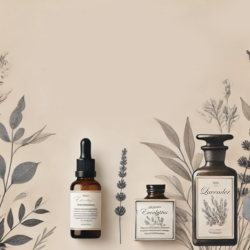
Aromatherapy harnesses the power of essential oils—highly concentrated plant extracts—to stimulate specific brain responses. While the effects can vary from person to person, some scents have been widely studied for their psychological benefits:
- Lavender: Known for its calming properties, lavender has been shown to lower cortisol (the stress hormone) and reduce anxiety. Studies suggest it can improve sleep quality and even lower heart rate and blood pressure.
- Peppermint: If you need an energy boost, peppermint is your go-to. Research has found that it enhances cognitive performance, increases alertness, and can even relieve headaches.
- Citrus scents (Lemon, Orange, Grapefruit): Bright, zesty scents are often linked to elevated mood and increased energy. Studies have shown that citrus aromas can reduce symptoms of stress and mild depression.
- Rosemary: Often called the “memory herb,” rosemary has been found to enhance concentration and cognitive function. A study even showed that people exposed to rosemary performed better on memory tests.
3. The Subtle “Energy” of Scents
Beyond scientific research, many people believe that scents hold an energetic quality. Essential oils are often used in holistic practices for emotional healing, chakra balancing, and even spiritual grounding. While science can measure the physiological effects of aromatherapy, personal experiences and cultural traditions highlight its deeper significance.
For example, frankincense has been used in spiritual rituals for centuries, believed to promote deep meditation and connection. Similarly, sage and palo santo are traditionally burned to cleanse negative energy. While there may not be extensive scientific studies on these practices, their use across cultures speaks to their profound psychological impact.
One interesting aspect is how personal scent preferences can reflect emotional needs. Have you ever noticed that you’re drawn to certain scents at different times in your life? That’s because your brain and body intuitively seek out what they need—whether it’s comfort, energy, or focus.
4. How to Incorporate Aromatherapy into Your Life
You don’t need a fancy setup to enjoy the benefits of aromatherapy. Here are some simple ways to weave it into your daily routine:
- Diffusers: One of the easiest ways to experience aromatherapy is by using an essential oil diffuser. A few drops of your favorite oil can fill your space with an uplifting or calming aroma.
- Scented Candles: Choose candles with natural essential oils to create a cozy, mood-enhancing environment.
- Roller Blends: Essential oil roller bottles are great for on-the-go use. Apply a calming blend to your wrists before a stressful meeting or an energizing scent before a workout.
- Aromatherapy Showers: Add a few drops of eucalyptus or lavender oil to your shower floor and let the steam create a spa-like experience.
- Mindful Breathing: Next time you inhale an essential oil, pause and take a deep breath. Be present with the scent and notice how it makes you feel. This simple practice can enhance relaxation and mindfulness.
5. A Little Personal Touch
I have to share one of my favorite little self-care rituals—using a calming roller from Rituals (just something I genuinely love, no sponsorship here!). This roll-on serum is like a mini moment of peace in the middle of a hectic day. The cooling sensation, combined with the refreshing scent of peppermint and the soothing touch of jujube, makes it feel almost like a deep breath for the mind. I always keep it in my bag for when I need a quick reset—it’s such a simple thing, but it really helps me unwind.
You can find the roller HERE.
Conclusion
Aromatherapy beautifully blends science and energy, giving us an accessible way to influence our mood, memory, and overall well-being. Whether you’re looking to unwind after a long day, sharpen your focus, or elevate your mood, scents can be powerful allies.
So next time you take a deep breath of lavender or citrus, know that it’s doing more than just smelling nice—it’s working with your brain to create a positive shift. Try incorporating aromatherapy into your routine and see what scents resonate with you the most!

References:
Effects on Stress & Anxiety:
- Perry, N., Perry, E. (2006). Aromatherapy in the management of psychiatric disorders: Clinical and neuropharmacological perspectives. CNS Drugs, 20(4), 257-280.
- Herz, R. S. (2009). Aromatherapy facts and fictions: A scientific analysis of olfactory effects on mood, physiology, and behavior. International Journal of Neuroscience, 119(2), 263-290.
Sleep Improvement & Relaxation:
- Lillehei, A. S., & Halcon, L. L. (2014). A systematic review of the effect of inhaled essential oils on sleep. Journal of Alternative and Complementary Medicine, 20(6), 441-451.
Cognitive Function & Focus:
Moss, M., Cook, J., Wesnes, K., & Duckett, P. (2003). Aromas of rosemary and lavender essential oils differentially affect cognition and mood in healthy adults. International Journal of Neuroscience, 113(1), 15-38.
Podcast
Go back to HOME