WHAT CAN YOUR FRUSTRATION TELL YOU? Your Shadow-Self
When neutral or good things annoy you
One moment we can be perfectly fine, but then someone shows up, says something to us, and we feel this high wave of frustration. It’s one thing to be frustrated by something that is generally believed to be harmful – like littering in the forest, for example, but what if the thing you find frustrating is not that bad?
Keep an eye on your frustration, as it can reveal hidden aspects of your personality that you might not be fully aware of, or perhaps not aware of at all. Let me give you a story example.
Jamie’s story
This is Jamie’s story. At 35, he’s a kind and resourceful person, quite successful, but deep down, he senses that he’s not fully utilizing his potential. One of his workmates, Olivier, is similar to him, and they generally both get on well. But Olivier is a highly successful businessman, a shark– a person who acts in a recklessly adventurous and often unscrupulous way. Bear in mind that Olivier never harmed anyone, he’s just bold. And this boldness is what’s driving Jamie crazy.
At times, just the mere thought of Olivier and his boldness brings Jamie a headache. It’s so frustrating – how can Olivier be so unscrupulous and self-confident, dismissing others’ opinions? How can anyone ignore what other people think? Jamie groans under his breath and clenches his fists in mute frustration.
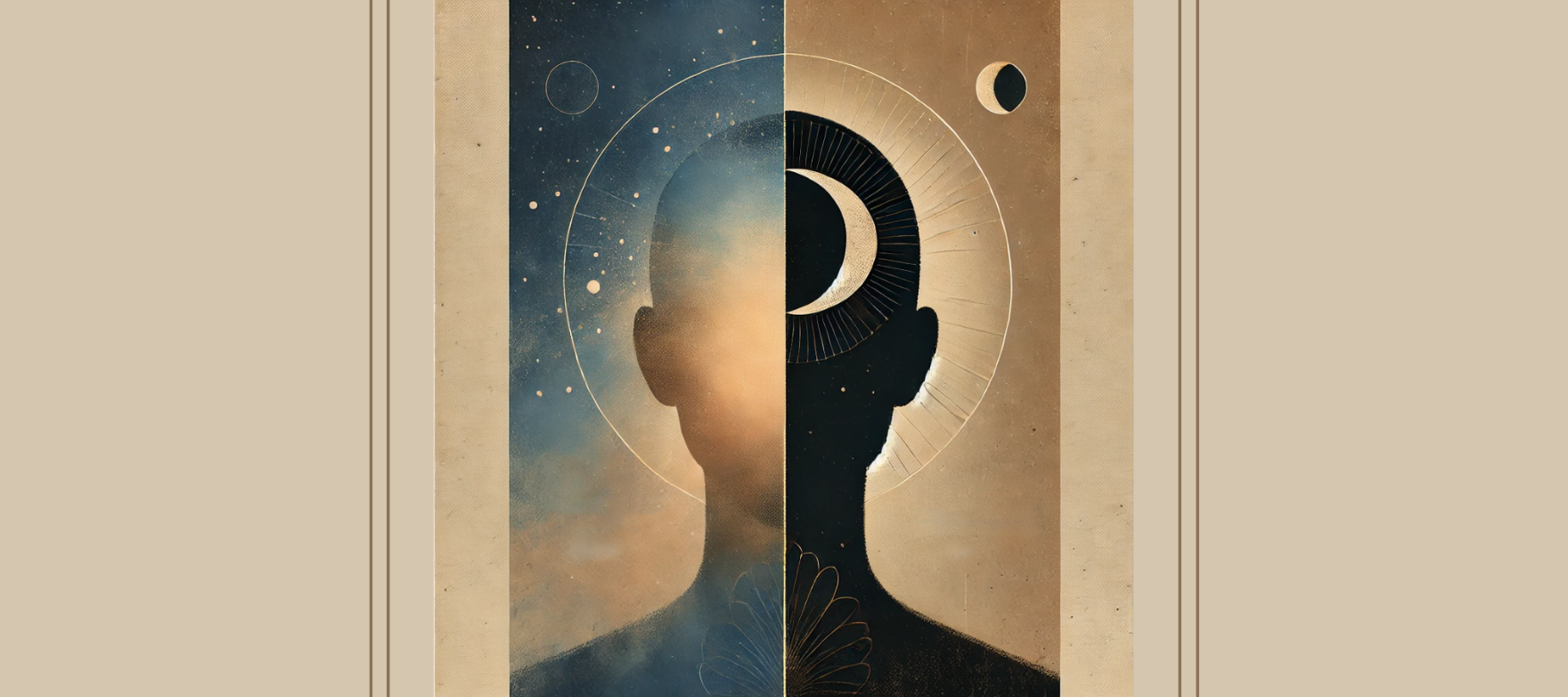
Do you know why Jamie is so frustrated? Because Olivier embodies what Jamie wants. As Jean Monbourquette describes in his book ‘How to Befriend Your Shadow: Welcoming Your Unloved Side,’ every person has a shadow-self. What is a shadow? This shadow is the part of our personality stifled during childhood but never truly gone; it lingers within us. I, like others, and you, dear reader, also harbor a shadow-self inside.
Let’s get back to Jamie. Let’s take a peek at his childhood:
Jamie was a very energetic child, a kind one, but a bossy one, too. He would unwittingly tell others what to do, and people would follow him – he was just a natural born leader.
His family didn’t like that trait of him – they lavished their disapproval on him whenever they could. Children at school followed his every order, because of Jamie’s mesmerizing nature and his leadership skills, but then spoke negatively behind his back. Despite his strength, Jamie found himself affected by external opinions, and that hurt.
Then, one day, when Jamie was already an adult, he realized that he was no longer bossy. In fact, suggesting anything to anyone now seemed stressful – after all his suggestions could be perceived as bossiness. What was left from his childhood self was his charm.
Good or bad?
You might say that it’s wonderful, that the past events squeezed the best out of Jamie, leaving what was the most precious about him. Perhaps. But the thing is, that transformation also rendered Jamie somewhat blunt, frustrated, and listless.
I’m not suggesting he should revert to being overly bossy and rule the roost ruthlessly. What I am saying is that purging Jamie of that side of him took away his full potential, leaving him feeling half-empty.
Jamie finds his friend, Olivier, frustrating because he desires to embrace his assertive side. He no longer wants to be afraid of other people’s opinions. Jamie had everything he needed within himself before numerous reprimands ingrained in his mind the perceived negativity of his traits.
Shadow-self questions
Now, pay attention to what’s frustrating to you. It can shed some light on what’s truly missing in your life. How to discover your shadow-self?
Jean Monbourquette gives some ideas, try to answer these questions:
- What kind of situations make me perplexed?
- Which side of me I like? Which sides of me do I find socially successful? What did I have to stifle inside of me to highlight the good parts of me?
- In which situations do I become nervous and oversensitive about something?
- What kind of topics do I normally avoid in a conversation? (Whatever it is, you’re afraid of discovering something you’re ashamed of)
Well, I need to get a word in edgeways, as the ideas sparked some opposition in me, especially the part that said, ‘Whatever it is, you’re afraid of discovering something you’re ashamed of.’ In my case, discussing money is something I don’t particularly like. When I read that apparently, I’m afraid of discovering something I’m ashamed of, I felt upset. However, the more I thought about that, the more aware I became that money has always been a taboo at my home. I don’t come from a rich family, nor a poor one, but there were still some sad events in my childhood related to money.
It’s worth noting that sometimes, frustration arises when we recognize similar traits in others that we also see in ourselves. For instance, as you know I’m an ENFJ, who personally knows a few ENFJs, and I must admit that sometimes I find them a bit frustrating. (please forgive me if you’re reading this, I’m sure it works both ways ;p )
Good luck with discovering your shadow-self and thank you for visiting HOW TO DEAL WITH!

Reference: Monbourquette, J. (2001). How to Befriend Your Shadow: Welcoming Your Unloved Side. Darton, Longman & Todd Ltd.
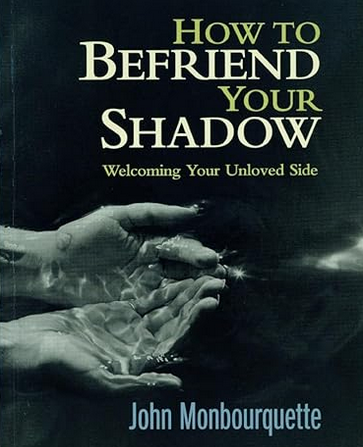
You can buy think book here: LINK
Go to Topic Map